Turkish law · Guidance for clients abroad
Inherited Property in Turkey: Agreement, Partition or Sale
Independent English-language guidance for people and businesses with a legal matter governed by Turkish law.
Inherited property: Short answer
When co-heirs cannot agree on an inherited property in Turkey, the legal options may include a documented agreement, transfer of shares, sale to a third party, physical division where legally possible or court proceedings to end co-ownership, often through sale. Before choosing a route, the current title, shares, occupancy, rent, expenses, encumbrances, value and each heir’s objective should be reviewed.
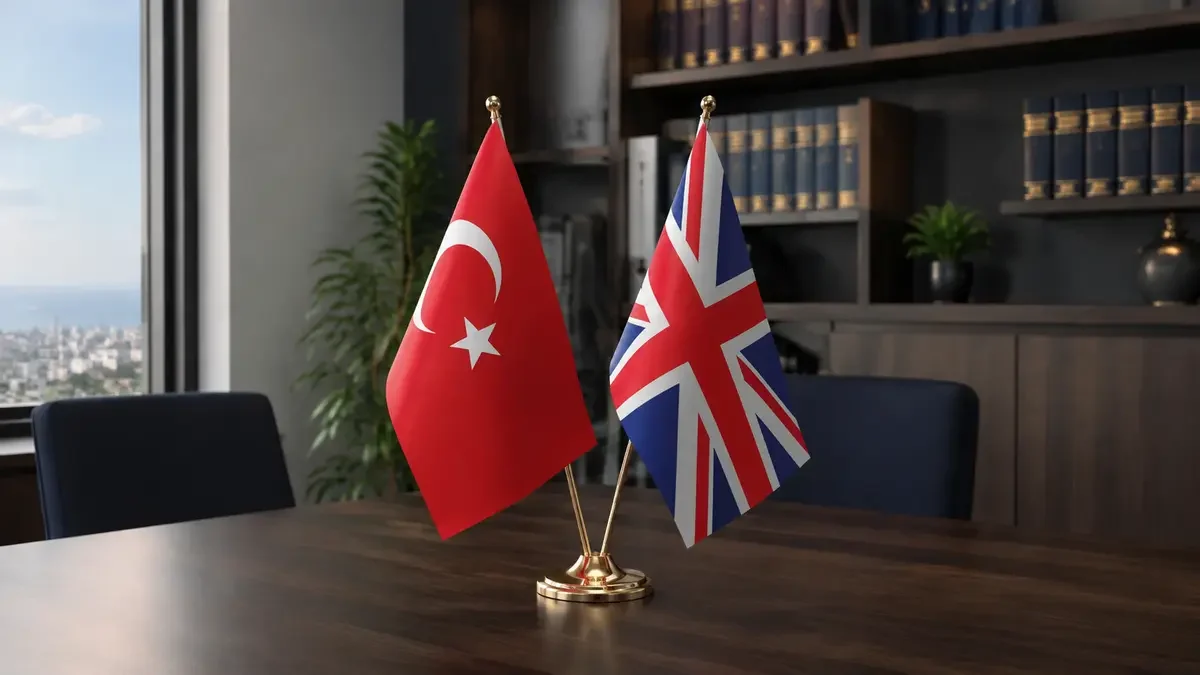
Inherited property: Map ownership, use and money before proposing a solution
The title record shows registered shares, but the dispute may also involve occupation, rent collection, repairs, taxes, management fees, improvements or a prior promise. A reliable negotiation starts with these facts rather than a bare demand to sell.
If one heir is using the property alone, separate questions may arise about consent, notice, compensation for use and accounting. These issues should not be assumed from family expectations alone.
Inherited property: Negotiated transfer or sale
Co-heirs may agree that one buys the others’ shares, that the property is marketed to a third party or that different assets are allocated in a broader settlement. Independent valuation and clear payment terms can reduce later conflict.
A settlement should identify the property, shares, price, taxes, expenses, delivery, rent, existing debts and authority to sign. Informal messages are rarely enough for a form-sensitive land transaction.
Physical division is not possible for every property
Land size, planning rules, access, condominium structure and technical feasibility determine whether an asset can be divided in kind. An apartment cannot normally be split into legal title units merely because heirs want separate rooms.
Technical and municipal evidence may be needed. If legal division is impossible, sale and distribution of proceeds may become the practical court route.
Court proceedings to end co-ownership
A partition action examines ownership and whether physical division is possible. If not, the process may lead to sale under judicial procedures. Sale conditions, participation, valuation objections and existing occupants can affect both timing and economic outcome.
Litigation should not be presented as an automatic way to achieve market price. The likely procedure, costs and risk of a judicial sale should be compared with a negotiated transaction.
Control for heirs living abroad
An heir abroad can usually begin with an English online consultation and provide title, inheritance and communication records. A power of attorney can cover the selected negotiation or court steps.
Authority to conduct partition litigation is not the same as authority to accept any private sale, set any reserve, receive proceeds or waive accounting claims. Those decisions should be documented separately.
Practical example
Four cousins inherit a coastal apartment in Erdemli. One occupies it, one wants rent, and two want a sale. The review obtains the title, inheritance records, occupancy and expense history and a current valuation. A buy-out proposal is compared with partition litigation, including the possible judicial-sale route, before any power to settle or receive money is granted.
Documents for the first review
A complete and chronological first package makes deadline, jurisdiction and evidence review more reliable. The following items are usually the most useful starting point:
- Current title and heirship records
- Share and family relationship information
- Valuation, rent and occupancy evidence
- Tax, management and repair payments
- Offers, correspondence and any prior agreements
Three essential checks
1. Valuation before litigation
Value the asset before using litigation as a negotiating slogan.
2. Possibility of physical division
Check whether physical division is legally and technically possible.
3. Court process and private-sale authority
Separate court authority from private sale and money-receipt instructions.
Frequently asked questions
Can one heir force a sale?
A co-owner may seek a legal route to end co-ownership, but the court first applies the relevant rules, including whether division in kind is possible.
Will the court sale achieve full market value?
No outcome can be guaranteed. Judicial sale rules and participation can affect the result, so negotiated alternatives should be compared.
Can an heir buy the others’ shares?
Yes if the parties agree and complete the required land-registry and payment steps.
Does occupation by one heir end the others’ ownership?
Not by itself. It may create separate use, notice, compensation or accounting questions depending on the facts.
Can I manage the case from abroad in English?
The office can hold English consultations and manage many steps through representation. Any required personal act is identified separately.
Can a litigation power be used to sell privately?
Not automatically. Private sale and receipt of funds may require specific authority and written instructions.
Responsible lawyers and public registration
Professional identity can be checked in the public Mersin Bar Association register. Registration confirms status; it does not promise the result, duration or economic value of a particular matter.
Transparent instructions, reporting and fees
Living abroad, being described as an expatriate or earning income in euros does not by itself increase the fee. Any proposal is assessed under Turkish professional rules and according to the scope, urgency, documents, procedural work and responsibility required by the particular matter.
A power of attorney defines legal authority; it is not a blanket instruction to carry out every possible act. Material steps, settlement authority, receipt of money and disposal powers are tied to the agreed scope and the client’s written instructions.
The office can hold initial and ongoing meetings online in English or Turkish. Significant developments are reported through agreed channels so that the client can follow the work without travelling to Mersin for every step. No result, duration or final total can be guaranteed before the file and competent procedure are reviewed.
Legal and language note
The office advises on Turkish law and is based in Mersin. Consultations, online meetings and routine case communication can be conducted directly in English or Turkish. If another language is needed, interpretation may be arranged where appropriate. This page provides general information and contains no guarantee of outcome, duration or cost.