Turkey Residence Permit Address Registration 2026: 20-Working-Day Rule, Changes and e-Residence
Turkey requires residence-permit applicants and holders to keep their official address records current. The Presidency of Migration Management’s current 2026 e-Residence form states that address registration is mandatory for extension and transfer applications, and that first-time residence-permit applicants must complete address registration within 20 working days after approval. Law No. 6458 Article 26(2) separately requires foreigners who enter Turkey with a residence permit or work permit obtained from a Turkish consulate to register in the Address Registration System within 20 working days from entry. Current Migration Management guidance also requires changes in address, identity and marital status to be notified within 20 working days.
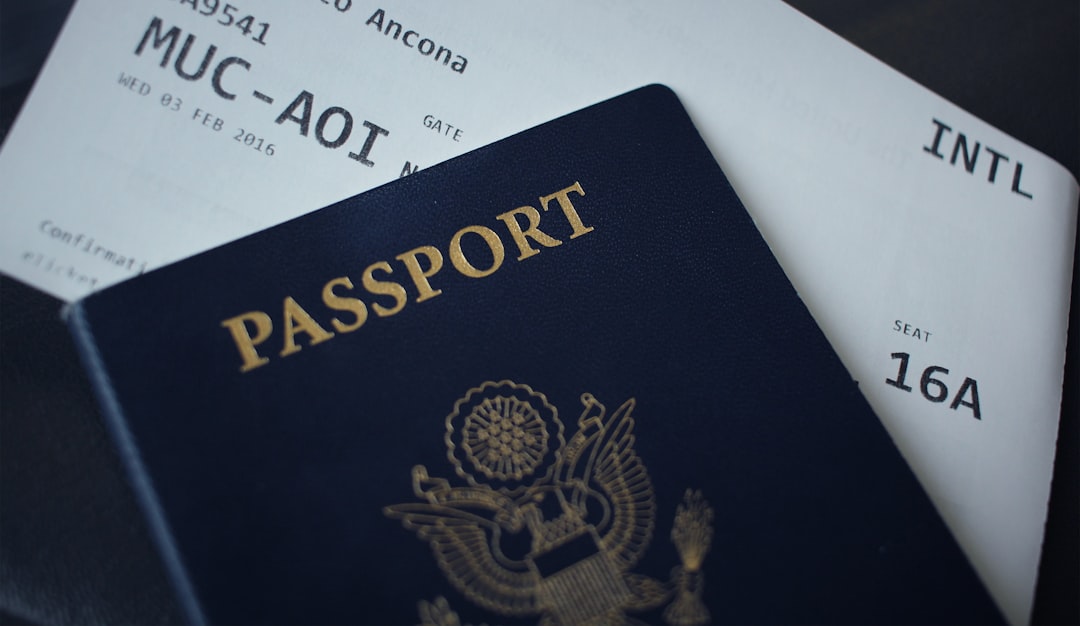
Address rules at a glance
Register the approved residence address within 20 working days after approval under current e-Residence instructions.
Article 26(2): register within 20 working days from entry.
Address registration is mandatory before the extension is accepted in e-Residence.
Address registration is mandatory for permit-type transfer applications.
Notify the competent authorities within 20 working days.
The declared address must correspond to the foreigner’s actual residence.
1. Address registration is part of the statutory residence system
Law No. 6458 requires foreigners to provide and maintain reliable address information during their lawful stay. Article 26(2) expressly provides that foreigners entering Turkey after obtaining residence or work permission from Turkish consulates must register in the Address Registration System within twenty working days from the date of entry.
Migration Management’s current application materials extend the practical address-control framework to first, extension and transfer applications. The 2026 e-Residence sample form states that address registration is mandatory for extension and transfer cases. For first residence-permit applications, address registration must be completed within twenty working days following approval.
Address registration is not the same as simply typing an address into an online form. The declared residence must correspond with the official Address Registration System and with the documents used to establish where the foreigner actually lives.
2. First-time residence-permit holders must register after approval
A foreigner applying for residence in Turkey for the first time submits the residence application through e-Residence and attends the required Migration Management procedure with the documents applicable to the selected category. The application contains address information, but the official 2026 form separately states that address-registration transactions must be completed within twenty working days after the residence permit is approved.
The foreigner should therefore plan the address process before the permit decision. A lease, title deed, accommodation record or other document used for the residence application should reflect the place where the applicant will actually reside. If the applicant changes accommodation between application and approval, the new facts must be handled accurately rather than preserving an obsolete address for convenience.
The official address affects delivery of the residence card and later administrative notifications. An inaccurate address can cause the applicant to miss notices and can create problems at renewal.
3. Article 26(2) applies to foreigners entering with consular residence or work permission
Some foreigners obtain the relevant permission before entering Turkey through a Turkish diplomatic or consular mission. For that group, Article 26(2) sets a direct statutory deadline: register the address in the Address Registration System within twenty working days from entry.
The same rule is relevant to a foreign employee entering after the overseas work-permit procedure. Because a valid work permit generally counts as a residence permit under Article 27, the worker must also complete the residence-side address duty after arrival.
Employers relocating international staff should include address registration in the onboarding checklist. Obtaining the work-permit card and making SGK registration do not automatically complete the employee’s address obligations.
4. Address registration is mandatory for residence-permit extensions
Migration Management’s current e-Residence materials state that address registration is mandatory for extension applications. The foreigner’s declared address must therefore be registered before the extension application can proceed correctly through the system.
This is especially important for foreigners who moved during the prior permit period but did not update government records. Waiting until the renewal deadline to discover an address mismatch can delay the application. The address should be verified before the sixty-day renewal window opens.
An extension continues the same residence category; it does not excuse a previous address violation. If the current official address is wrong, the foreigner should complete the proper address-change procedure and provide the documents required by the competent authorities.
5. Permit-type transfer applications also require registered address information
A transfer application under Article 29 is filed when the foreigner’s purpose of stay changes. The current e-Residence form states that address registration is mandatory for transfer applications as well. The address must be consistent with the new purpose and the supporting file.
A student moving to property-based short-term residence, for example, should ensure that the address and title records support the claimed residence arrangement. A person transferring to family residence should provide the real family address and the documents required for the sponsor and family relationship.
The transfer process should not be used to carry an inaccurate old address into a new permit category. Migration Management can request additional evidence and may evaluate whether the declared accommodation is credible.
6. Changes in address must be reported within 20 working days
Migration Management guidance on foreigners’ rights and obligations states that changes in address, identity and marital status must be notified within twenty working days. A foreigner who moves from one apartment to another should therefore update the relevant address registration instead of waiting for the next residence-permit renewal.
The notification requirement applies to the actual change. The foreigner should retain the new accommodation evidence and the official record confirming that the address has been updated. A lease signed months after the real move can create questions about whether the statutory notification period was met.
Address-change procedures can involve both Migration Management and population/citizenship address-registration authorities according to the current administrative workflow. The applicant should follow the official procedure applicable in the province.
7. Moving to another province changes the competent administrative record
Residence-permit administration is handled through Provincial Directorates. When a foreigner permanently moves to another province, the change can affect the competent authority and the documents required to update the residence record.
The foreigner should not continue using a Mersin address while actually living permanently in Istanbul, Ankara or another province. Official notices, renewal jurisdiction and address-control records should correspond to the true place of residence.
Students and other special categories can have additional rules when the institution or qualifying activity moves to another province. The category-specific rule should be checked together with the general twenty-working-day address obligation.
8. Address evidence must show the real residence arrangement
The exact evidence depends on whether the foreigner owns the property, rents it, stays with another person or uses another legally accepted accommodation arrangement. Migration Management’s current document list should be followed for the application type.
Government records can be compared with title, lease, utility or population-address data. Applicants should therefore avoid inconsistent records such as a lease at one address, utility record at another and residence application at a third.
Where notarisation, host documentation or other formal evidence is required by the current application rules, the applicant should complete that requirement before the deadline rather than relying on an informal statement.
9. Foreign property owners should align title and address records
Property ownership can be a short-term residence ground under Article 31 where the statutory conditions are satisfied. If the foreigner relies on ownership, the title deed and declared address should accurately reflect the residence basis being asserted.
Owning several properties does not remove the need to state the actual residence address. The foreigner should identify the property used as the residence and ensure that the population/address record is consistent.
Buying a property is not itself address registration. Land Registry and the Address Registration System are separate administrative records. The residence holder must complete the required address procedure after acquisition or moving.
10. Tenants must keep the lease and registered address consistent
A tenant applying for or renewing residence should use a genuine lease and actual accommodation. The address record should not remain at a previous apartment after the person has moved. Where the current application rules require notarised or landlord-related evidence, those documents should be prepared in the accepted format.
Short-term accommodation arrangements can raise additional proof issues because the administration must be able to identify the foreigner’s actual residence. A hotel stay, tourism accommodation or informal host arrangement should be documented according to the rule applicable to that situation.
A lease used solely to create a nominal residence address can expose the applicant to negative administrative consequences. Migration applications require truthful information, and the current e-Residence form warns that sanctions apply to false information or statements.
11. Family-residence address information should reflect the real family household
Family residence is tied to a qualifying sponsor and family relationship under Law No. 6458. Address information is part of the factual picture showing where the family actually lives. A spouse who permanently moves out should not keep a false common address solely to preserve the appearance of family residence.
Where family circumstances change, Article 29 transfer rules may become relevant. The foreigner should evaluate whether the family-residence basis continues and whether a different residence category is now appropriate.
Foreign civil-status changes such as divorce or marriage should also be updated within the statutory notification framework and supported by properly authenticated documents where required.
12. False address declarations can damage the residence application
The official 2026 e-Residence form states that sanctions can be imposed for false information or statements and that a residence permit appropriate to the real purpose of stay is mandatory. A false or merely nominal address can therefore do more than create a clerical mismatch.
Migration Management can request additional documents during evaluation. If the address cannot be verified or the applicant cannot explain the accommodation arrangement, the credibility of the residence ground can be affected.
Foreign clients should not rely on brokers offering “registered addresses” disconnected from actual residence. The official system is built around truthful personal, contact and accommodation information.
13. Address compliance should be managed as a recurring residence obligation
At first application, prepare the real accommodation evidence and calendar the twenty-working-day post-approval registration. After entry with a consular work or residence permit, calendar Article 26(2)’s twenty-working-day deadline from the entry date. During the permit period, update any move within twenty working days under current Migration Management rules.
Before extension or permit-type transfer, verify that the official address record is already current. Do not wait for the e-Residence system to block or question the application. Keep the confirmation of each address transaction with the residence-permit file.
For renewal timing, see Turkey Residence Permit Renewal 2026. For changing permit type, see Switching Residence Permit Types in Turkey.
Conclusion
Turkey residence permit address registration in 2026 is a continuing legal obligation, not a one-time form field. Article 26(2) requires foreigners entering with consular residence or work permission to register within twenty working days of entry. Current e-Residence instructions require address registration for extension and transfer applications and registration within twenty working days after approval for first applications. Address changes must likewise be notified within the applicable twenty-working-day period. Accurate address, lease/title and residence records should be kept aligned throughout the foreigner’s stay.
Frequently asked questions
How long do I have to register my address after my first residence permit is approved?
Current 2026 e-Residence instructions require address registration within 20 working days after approval.
What if I entered Turkey with a consular residence or work permit?
Law No. 6458 Article 26(2) requires registration in the Address Registration System within 20 working days from entry.
Is address registration mandatory for renewal?
Yes. Current e-Residence instructions state that it is mandatory for extension applications.
Is it mandatory when changing residence permit type?
Yes. Address registration is also mandatory for transfer applications.
How long do I have to report an address change?
Current Migration Management guidance requires changes in address to be reported within 20 working days.
Can I use a friend’s address if I do not live there?
No. The declared address should reflect the actual residence arrangement and false statements can trigger legal consequences.
Does buying property automatically register my address?
No. Land Registry ownership and Address Registration System records are separate.
What if I move to another province?
The competent Provincial Directorate and address record must be updated under the procedure applicable to the move.
Does a work-permit holder have address duties?
Yes. A work permit generally counts as residence, and Article 26(2) expressly covers persons entering with consular work permission.
Should I wait until renewal to report a move?
No. A move should be reported within the applicable 20-working-day period.
Official legal sources
Presidency of Migration Management – Law No. 6458 Article 26
Presidency of Migration Management – 2026 e-Residence Application Form
Presidency of Migration Management – Residence Permit General Information
Legal-source review date: 15 September 2026.
Legal information notice
Address-document requirements vary by accommodation arrangement and province. The current e-Residence document list and competent authority’s official procedure should be followed.
Mersin office and Türkiye-wide coordination
Bakırci & Keskin Hukuk Bürosu has one physical office in Mersin and coordinates residence-permit matters throughout Türkiye from Mersin.
Contact regarding a legal matter
In your first message, you may briefly state the subject, your country or city, and any relevant notification or recent procedural date. Please do not send identity numbers, medical data, or personal documents. Messaging alone does not constitute legal advice or create a lawyer–client relationship.