Unauthorized Common-Area and Façade Alterations in Turkey: Article 19 Guide for Foreign Owners
Short answer: A condominium owner in Turkey cannot unilaterally alter common areas merely because the work is next to that owner’s apartment. Condominium Law No. 634 Article 19 requires the written consent of four fifths of all condominium owners before one owner may carry out construction, repairs, installations or different-colour exterior painting in common areas. The statute creates a narrow exception where a court has determined that a defect in a common area or facility is damaging the main structure or one or more independent units and urgent repair is necessary, or that strengthening is compulsory; properly designed repair or strengthening can then proceed without owner consent. Article 4 identifies statutory common areas, Article 16 confirms owners’ shared ownership and use rights, and Article 19 also prohibits alterations inside an independent unit that damage the main structure.
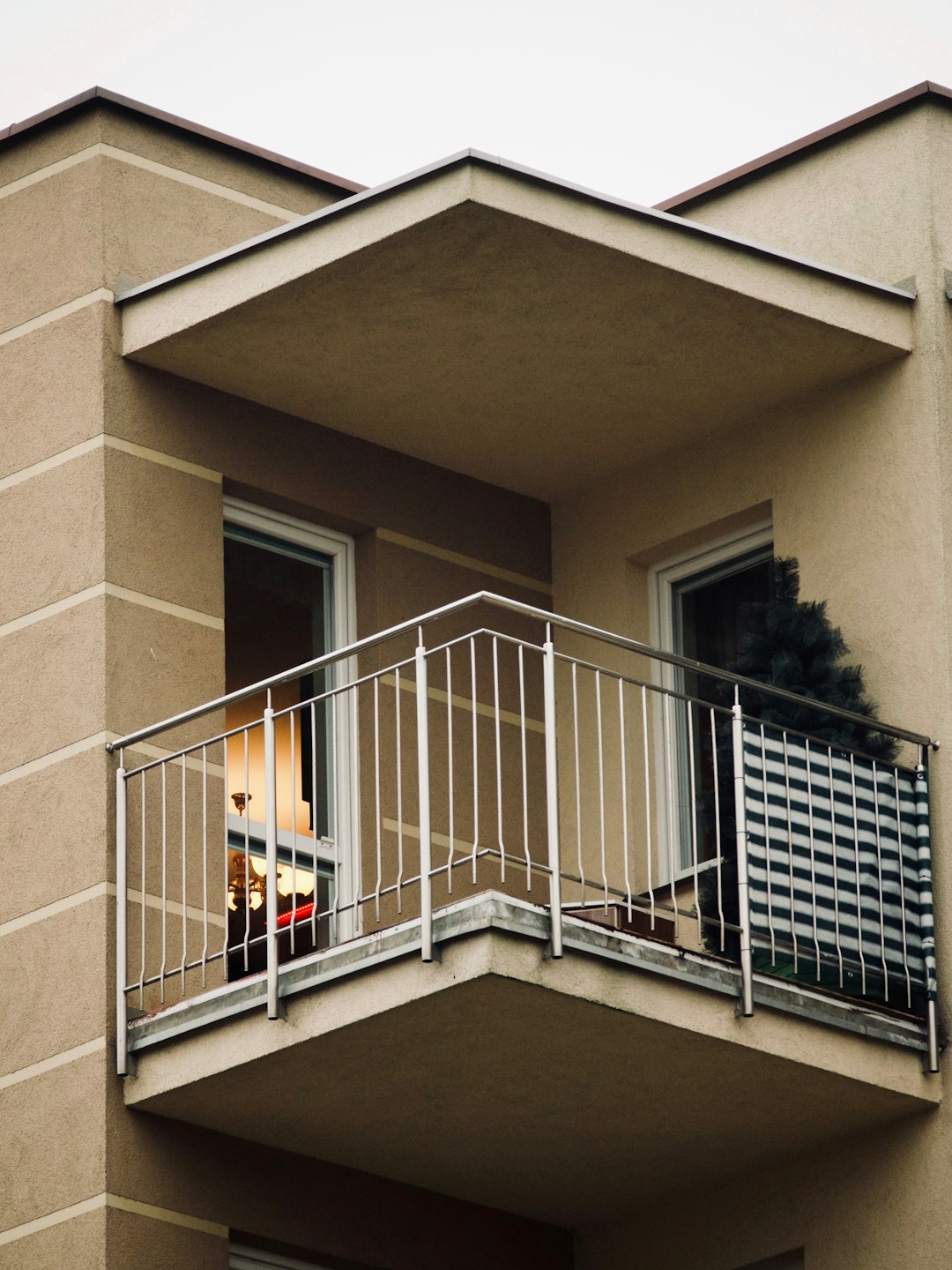
What counts as a common area under Article 4?
Before asking whether consent was required, determine whether the part of the building is legally common property. Article 4 states that the scope of common areas can be specified by agreement, but it also lists items that are common areas by operation of law.
The statutory list includes foundations and main walls; beams, columns, shear walls and other elements forming part of the structural system; common walls separating independent units; ceilings and floors; courtyards; general entrances; entrance halls; stairs; lifts; landings; corridors; common toilets and washrooms; caretaker premises; common laundry and drying areas; common coal stores and garages; specified meter enclosures outside independent units; boiler rooms; wells and cisterns; general water tanks and shelters.
Article 4 also includes building-wide installations outside an owner’s own independent unit, such as sewerage, heating, water, gas and electrical systems, common communication networks, antennas, and hot/cold-air installations. Roofs, chimneys, general roof terraces, rain gutters and fire escapes are expressly common areas as well.
The list is not exhaustive. Other places or things necessary for shared use, protection or benefit also fall within the concept of common areas. Therefore, an owner should not assume that a component is private simply because it is physically accessible only from one apartment.
Article 16: every owner has rights in common areas
Article 16 provides that condominium owners own all common areas under common-ownership rules in proportion to their land shares. They also have the right to use common areas. Unless otherwise agreed, the extent of use of facilities such as the common garage, terrace, laundry or drying area is proportional to the owner’s land share.
This shared legal interest explains why one owner cannot normally appropriate or physically alter a common place at will. Even a small installation on a common wall can interfere with the property rights of all other owners.
Article 18 reinforces the framework by requiring owners to observe good-faith rules when using their independent units, appurtenances and common areas, not disturb one another, not violate each other’s rights and comply with the management plan. The same statutory obligations extend to tenants, holders of a right of residence and persons continuously using an independent unit, with the liability rules stated in Article 18.
Article 19: four fifths written consent for one owner’s common-area work
The current second paragraph of Article 19 is precise: one condominium owner may not undertake construction, repair, installations, or exterior whitewashing or painting in a different colour in common areas without the written consent of four fifths of all condominium owners.
The threshold is not four fifths of owners attending a meeting. It refers to all owners. The consent must be written. For an owner planning a permanent installation on common property, relying on a verbal statement by the manager is therefore unsafe.
The management company cannot replace the four-fifths statutory consent simply by sending an email saying the work is approved. If Article 19 applies to an individual owner’s project, the statutory requirement must be satisfied.
Common examples that require careful review include enclosing or structurally changing areas connected to a balcony, mounting permanent equipment to a common façade, installing private lines through common shafts, changing exterior colour, occupying part of a shared corridor, cutting into a roof or terrace, mounting equipment to a common exterior wall, or altering common plumbing/electrical infrastructure.
The exact legal classification depends on the project and title/architectural documents. A list of examples is not a substitute for checking whether the affected element is common property.
Façades, balconies, windows and exterior appearance
Disputes involving balconies and façades are common because the owner sees the area as part of the apartment while the proposed work may affect common structural elements or the building’s architectural appearance.
Article 19 requires owners to protect the maintenance, architectural condition, beauty and structural integrity of the main property. The article specifically restricts different-colour exterior whitewashing or painting. Article 4 also makes main walls and structural elements common by law.
Accordingly, installing glazing, awnings, air-conditioning equipment, signs, satellite equipment, shutters, enclosures or other permanent additions should not be evaluated solely by asking whether the work is “on my balcony.” The legally relevant questions are which component is being altered, whether the façade or structural system is affected, what the approved architectural project shows, and what the management plan requires.
An internal non-structural decorative change inside an independent unit is different from drilling or fixing equipment into a common exterior wall. The physical boundary does not always match the legal boundary.
Can an owner freely renovate inside the apartment?
No. An owner has broad use rights inside an independent unit, but Article 19 expressly prohibits repair, installations or changes in the owner’s own independent unit that are of a nature to damage the main structure.
This is particularly important for works involving columns, beams, shear walls, structural slabs, load-bearing components, shared utility shafts and other structural or common systems. Article 4 identifies structural-system elements as common areas.
Article 19 also contains a specific rule for connected portions of independent units: where separate independent units are connected by ceiling, floor or wall, repairs, installations and alterations in the connected parts may be made with the joint consent of the relevant owners, provided the main structure is not damaged.
A foreign purchaser intending to combine adjacent apartments should therefore obtain architectural and technical review before demolition work starts. Ownership of both apartments does not create a right to remove a structural wall.
The statutory exception for urgent repairs and compulsory strengthening
Article 19 creates an important exception to the four-fifths consent rule. Consent is not required where a court has determined that a defect in common areas or facilities is causing damage to the main structure or to one or more independent units and urgently requires repair, or that strengthening of the main structure is compulsory.
In that situation, repair or strengthening can be carried out in accordance with the approved project and technical requirements without obtaining the owners’ consent otherwise required by Article 19.
The exception is narrow. An owner cannot self-declare an aesthetic renovation to be an emergency. The statutory text ties the exception to a court determination and to necessary repair or strengthening performed in accordance with project and technique.
If water intrusion from a common roof, failing structural component or common pipe is causing ongoing damage, prompt legal and technical documentation matters. The required evidence is fundamentally different from an owner who simply wants to remodel a common element for convenience.
Who is liable if unauthorized work damages the building?
Article 19 states that each owner is responsible to the other owners for damage caused by that owner’s fault to the main property and to other independent units. This is separate from the question whether the alteration had consent.
An unauthorized installation can therefore generate more than a restoration dispute. If it causes water damage, electrical loss, structural damage or damage to another unit, compensation liability can arise on the facts and applicable law.
Article 18 can also extend condominium obligations to tenants and other continuous users. An owner who rents the apartment should therefore regulate renovation and installation permissions clearly in the lease and should not assume that a tenant’s contractor can lawfully alter common property without condominium approval.
What can another owner do about an unauthorized alteration?
Affected owners may seek legal protection under the Condominium Law and applicable general provisions. Depending on the facts, the remedies may include prevention of unlawful interference, restoration to the former condition, compliance with the management plan, compensation for damage, and judicial intervention under Article 33.
The competent forum for disputes arising from the Condominium Law is generally the civil court of peace under the statutory jurisdiction rules. Since 1 September 2023, disputes arising from Condominium Law No. 634 are also within the mandatory mediation regime in Law No. 6325 Article 18/B before filing a lawsuit within the statutory scope.
Evidence should be preserved before the physical condition changes. Useful records include dated photographs, architectural plans, title and condominium documents, management-plan provisions, written objections, contractor invoices, expert/engineer assessments, meeting minutes and any consent documents relied upon by the owner who performed the work.
Do not confuse Article 19 with Article 42
Article 19 and Article 42 are often incorrectly treated as competing voting rules for the same act. They regulate different legal situations.
One owner proposes construction, repair, installation or different-colour exterior work in common areas. The general rule requires written consent of four fifths of all owners.
The owners collectively decide on a useful innovation or addition that makes common areas better, easier to use or more beneficial. The rule uses a majority by owner count and land share.
Article 19 contains a specific court-determined exception for urgent repair or compulsory strengthening.
Our separate guide on Article 42 useful improvements, Article 43 luxury additions and EV charging explains the collective-decision side of the distinction.
How can a foreign owner protect the property from abroad?
A non-resident owner can monitor common-area works and disputes through a Turkish representative. The representative can obtain the management plan, inspect meeting minutes, send objections, request documents and take procedural steps within the authority granted.
If another owner starts unauthorized façade or structural work while you are abroad, delay can make restoration more difficult. Ask for photographs, the architectural project, the alleged consent documents and the owners’ decision immediately.
Where formal proceedings are required, a Turkish lawyer can act under a properly issued power of attorney. See our guide on power of attorney for a lawyer in Turkey from abroad.
Checklist before altering any exterior or common part
- Identify the legal status of the component. Check Article 4, title documents, approved project and management plan.
- Determine whether you are acting individually or the condominium is adopting a collective project. This controls Article 19 versus Article 42.
- Do not rely on verbal manager approval. Article 19 requires written consent of four fifths where its rule applies.
- Check structural impact. Never remove or damage structural-system elements.
- Check façade impact. Exterior colour and architectural appearance are expressly protected.
- For connected units, obtain required co-owner consent. The main structure must remain unharmed.
- If there is urgent damage, document it technically and legally. Apply the specific Article 19 emergency route.
- Obtain municipal/technical permissions separately where required. Condominium consent does not replace public-law permits.
- Preserve written records. Keep consents, drawings, contractor specifications and photographs.
- Challenge unlawful work early. Restoration is easier before construction becomes extensive.
Official legal sources
- Condominium Law No. 634 — especially Articles 4, 16, 18, 19, 33 and 42.
- Law No. 6325 on Mediation in Civil Disputes — Article 18/B.
Frequently Asked Questions
Can I change the exterior of my apartment without asking the other owners?
If the work affects common areas or falls within Article 19’s exterior/common-area restrictions, the general rule requires the written consent of four fifths of all owners. The exact project and legal status of the component must be checked.
Is a building façade a common area?
Main walls and structural elements are common areas under Article 4, and Article 19 separately protects the building’s architectural condition and exterior painting. The particular façade component and approved project should be reviewed.
Can I enclose my balcony with glass?
There is no universal answer based only on the word “balcony.” The analysis depends on the approved architectural project, whether common façade or structural components are altered, the management plan and Article 19 requirements.
Can I mount an air conditioner on an exterior wall?
An exterior wall may be common property and the installation may affect the façade. Article 19, the management plan and the building’s approved project must be checked before installation.
What consent is required under Article 19?
The general rule is written consent from four fifths of all condominium owners for one owner’s construction, repairs, installations or different-colour exterior painting in common areas.
Is there an exception for urgent repairs?
Yes. Article 19 removes the consent requirement where a court has determined the statutory urgent-damage or compulsory-strengthening conditions and the work follows the approved project and technique.
Can I remove a wall inside my apartment?
Only if the work does not damage the main structure and complies with applicable project and public-law requirements. Structural elements are protected common components under Article 4.
Who pays if my renovation damages another unit?
Article 19 makes an owner responsible to the other owners for damage caused by that owner’s fault to the main property or other independent units.
Can the manager approve my common-area alteration alone?
The manager cannot replace a statutory owner-consent requirement. If Article 19 applies, the required written owner consent must be obtained.
What is the difference between Article 19 and Article 42?
Article 19 restricts unilateral work by an owner in common areas. Article 42 governs useful common-area innovations adopted collectively by the owners with a majority by owner count and land share.
Can I take action from abroad against unauthorized work?
Yes. A representative or Turkish lawyer with sufficient authority can obtain records, send objections, participate in mediation and bring proceedings while the owner remains abroad.
Conclusion
Foreign ownership does not create a separate renovation regime in Turkish condominiums. The starting point is the legal status of the building component. Article 4 identifies statutory common areas, Article 16 protects every owner’s shared rights, and Article 19 imposes a strict written four-fifths consent rule when one owner proposes work in common areas, subject to its narrow urgent-repair and strengthening exception.
Before changing a façade, balcony-related component, roof, common wall, garage, shared utility or structural element, review the approved project and management plan and obtain the correct consent. Unauthorized work can lead to restoration, compensation and condominium litigation even where the owner believed the alteration was confined to “my apartment.”
Contact regarding a legal matter
In your first message, you may briefly state the subject, your country or city, and any relevant notification or recent procedural date. Please do not send identity numbers, medical data, or personal documents. Messaging alone does not constitute legal advice or create a lawyer–client relationship.