Turkish law · Guidance for clients abroad
Apostille and Certified Translation for Documents Used in Turkey
Independent English-language guidance for people and businesses dealing with a legal matter governed by Turkish law. This guide explains certified translation requirements for documents used in Turkey.
Certified translation: short answer
An apostille does not translate a document, prove that every statement is true or guarantee acceptance in Turkey. It authenticates the origin of a qualifying public document between states using the Hague Apostille Convention. If the convention does not apply, another legalisation route may be required. The Turkish court, notary, registry, bank or authority may also require the correct original or certified copy, proof of finality, a certified Turkish translation and transaction-specific content.
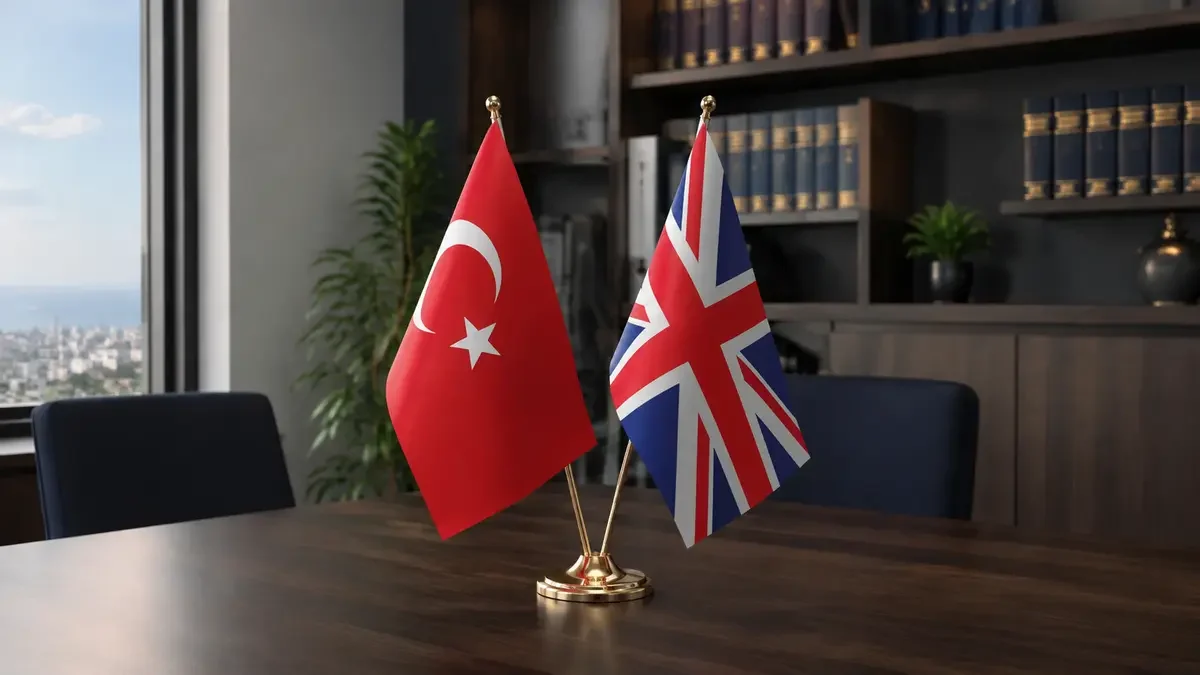
Apostille and legalisation authenticate origin, not substance
For a qualifying public document issued in a state where the Apostille Convention applies in relation to Turkey, an apostille issued by the competent authority can replace traditional diplomatic legalisation. The current status table, objections and designated authority should be checked for the specific country and document.
If the convention does not apply, consular or diplomatic legalisation may be required. A private document may first need notarisation before authentication. An apostille does not establish that a contract is valid, a judgment is final or a signatory had corporate authority; those are separate legal questions.
Certified translation into Turkish is a separate step
Turkish proceedings and registry work generally require Turkish documents in the accepted form. The translator and notarisation requirements depend on the receiving authority. Names, numbers, stamps, marginal notes and attachments should be translated consistently, and illegible sections should not be guessed.
Translation should normally follow selection of the final document set. Translating a draft, incomplete order or wrong corporate certificate creates avoidable duplication. Where bilingual originals exist, the authority should confirm whether a separate certified translation is still required.
Judgments and powers of attorney require more than an apostille
A foreign judgment may need a certificate of finality, proof of service and the complete operative decision in addition to authentication and translation. Recognition or enforcement in Turkey is a legal proceeding; apostille alone does not produce those effects.
A foreign power of attorney must contain authority suitable for the planned Turkish act. Land-registry, company, litigation, settlement and money-receipt powers should not be copied blindly. Turkish consular notarial procedures may offer a different route for eligible applicants.
Use one document checklist and preserve the chain
The final package should show the issuer, date, original or certified-copy status, apostille or legalisation, all attachments, translation and any notarial certification. Scans should be complete and readable. Courier tracking and a digital copy of the final set help prevent loss and inconsistency.
The office can review proposed documents online in English before originals are sent. External costs for issuance, authentication, translation, notary and delivery are separate. Acceptance cannot be guaranteed until the receiving authority and legal purpose are confirmed.
Practical example
An heir in the United States wants to use a birth certificate and probate order in a Turkish inheritance matter. The office first confirms which documents prove the family link and heirship, whether a separate finality document is needed, and which Turkish authority will receive them. Only the selected official documents are apostilled and translated. The apostille is not treated as a substitute for the Turkish inheritance procedure.
Documents for the first review
A complete and chronological first package makes deadline, jurisdiction and evidence review more reliable. The following items are usually the most useful starting point:
- Clear scan of the complete document and all attachments
- Issuing authority, issue date and intended Turkish use
- Apostille or legalisation information for the issuing country
- Finality, service or corporate-authority evidence where relevant
- Identity spellings and prior Turkish records for consistency
Three essential checks
1. Receiving authority and purpose
Confirm the Turkish receiving authority and purpose first.
2. Authentication and legal effect
Treat authentication, substantive validity and translation as separate issues.
3. Final translation set
Translate only the complete and final document set.
Frequently asked questions
Does an apostille make any document valid in Turkey?
No. It authenticates the origin of qualifying public documents; content, form and legal effect remain separate.
Does an apostille include translation?
No. Certified Turkish translation may still be required by the receiving authority.
Can I apostille a photocopy?
It depends on the issuing state's rules and whether a certified copy qualifies. The Turkish authority's requirements must also be checked.
Do all countries use apostille?
No. Convention status and its operation between the issuing state and Turkey must be confirmed.
Is an apostilled judgment automatically enforceable?
No. Finality, service, translation and the Turkish recognition or enforcement process remain separate.
Can a Turkish consulate issue a power of attorney?
Consular notarial procedures are available in relevant cases, subject to eligibility, identity, language and appointment requirements.
Should I send originals before review?
Usually scans should be reviewed first so the correct originals, authentication and translations can be identified.
Can the document review be in English?
Yes. The office can explain the Turkish document route directly in English or Turkish.
Responsible lawyers and public registration
Professional identity can be checked in the public Mersin Bar Association register. Registration confirms status; it does not promise the result, duration or economic value of a particular matter.
Transparent instructions, reporting and fees
Living abroad, being described as an expatriate or earning income in euros or pounds does not by itself increase the fee. Any proposal is assessed under Turkish professional rules and according to the scope, urgency, documents, procedural work and responsibility required by the particular matter.
A power of attorney defines legal authority; it is not a blanket instruction to carry out every possible act. Material steps, settlement authority, receipt of money and disposal powers are tied to the agreed scope and the client’s written instructions.
The office can hold initial and ongoing meetings online in English or Turkish. Significant developments are reported through agreed channels so that the client can follow the work without travelling to Mersin for every step. No result, duration or final total can be guaranteed before the file and competent procedure are reviewed.
Legal and language note
The office advises on Turkish law and is based in Mersin. Consultations, online meetings and routine case communication can be conducted directly in English or Turkish. If another language is needed, interpretation may be arranged where appropriate. This page provides general information and contains no guarantee of outcome, duration or cost.
Official sources
Bakırcı & Keskin Law Office – Mersin Office
Address: İhsaniye, 4903. Sk. Profit İş Merkezi No:23 Kat:3 Daire:14, 33070 Akdeniz/Mersin
Contact regarding a legal matter
In your first message, you may briefly state the subject, your country or city, and any relevant notification or recent procedural date. Please do not send identity numbers, medical data, or personal documents. Messaging alone does not constitute legal advice or create a lawyer–client relationship.